


 |
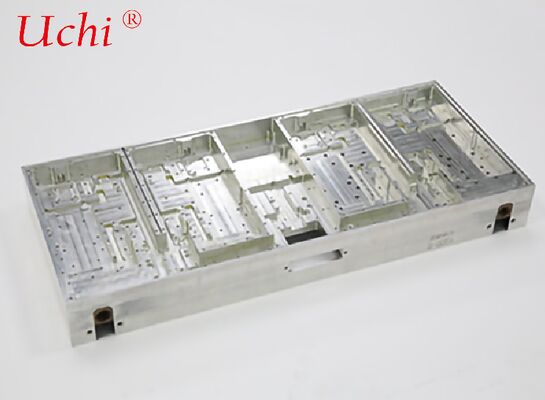
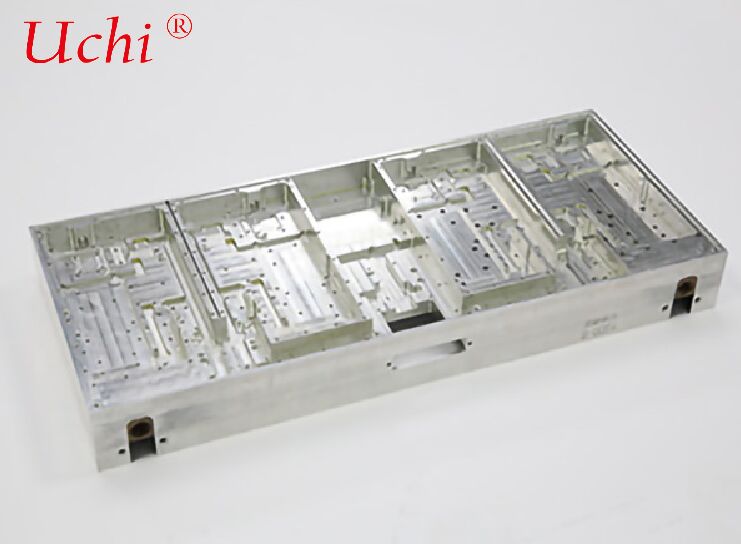
উচ্চ-ফ্রিকোয়েন্সি জেট ইমপিঞ্জমেন্ট লিকুইড কুলিং প্লেট যা সাধারণত উল্লেখ করা হয়
পণ্যের বিবরণ:
| উৎপত্তি স্থল: | ডংগুয়ান, গুয়াংডং, চীন |
| পরিচিতিমুলক নাম: | Uchi |
| সাক্ষ্যদান: | SMC |
| মডেল নম্বার: | তাপ সিঙ্ক |
প্রদান:
| ন্যূনতম চাহিদার পরিমাণ: | 100 পিসি |
|---|---|
| মূল্য: | 1300-1500 dollars |
| ডেলিভারি সময়: | সীমাবদ্ধ নয় |
| পরিশোধের শর্ত: | টি/টি, পেপ্যাল, ওয়েস্টার্ন ইউনিয়ন, |
| যোগানের ক্ষমতা: | প্রতি মাসে 50000000pcs |
|
বিস্তারিত তথ্য |
|||
| আবেদন: | ইলেকট্রনিক্স কুলিং, শিল্প যন্ত্রপাতি, স্বয়ংচালিত | আকার: | 280x220x20 মিমি |
|---|---|---|---|
| সুরক্ষা ক্লাস: | IP54 | অতিরিক্ত প্রক্রিয়া: | সিএনসি মেশিনিং |
| তাপ উৎস শক্তি: | 30KW | শক্তি: | 400W |
| পণ্যের মাত্রা: | কাস্টমাইজ করা যেতে পারে | খাদ বা না: | খাদ হয় |
| পৃষ্ঠের রুক্ষতা: | 1.2 উম | প্যাকিং: | পিই ব্যাগ শক্ত কাগজ |
| উপাদান: | কপার/অ্যালুমিনিয়াম | ||
| বিশেষভাবে তুলে ধরা: | উচ্চ-ফ্রিকোয়েন্সি জেট ইমপিঞ্জমেন্ট লিকুইড কুলিং প্লেট,জেট ইমপিঞ্জমেন্ট সহ লিকুইড কুলিং প্লেট,উচ্চ-কার্যকারিতা লিকুইড কুলিং প্লেট |
||
পণ্যের বর্ণনা
হাই-ফ্রিকোয়েন্সি জেট ইমপিঞ্জমেন্ট তরল শীতলীকরণ প্লেট
হাই-ফ্রিকোয়েন্সি জেট ইমপিঞ্জমেন্ট লিকুইড কুলিং প্লেট (সাধারণত জেট ইমপিঞ্জমেন্ট কোল্ড প্লেট নামেও পরিচিত) হল অতি-উচ্চ তাপ প্রবাহ এবং অতি-দ্রুত তাপমাত্রা অভিন্নতার জন্য একটি বিশেষ তরল শীতলীকরণ সমাধান। এর মূল প্রক্রিয়া হল উচ্চ-ফ্রিকোয়েন্সি, উচ্চ-গতি এবং উচ্চ-চাপের মাইক্রো-জেট দ্বারা উত্তপ্ত পৃষ্ঠের অভ্যন্তরীণ দেয়ালে সরাসরি আঘাত করে চরম তাপ অপচয় অর্জন করা।
I. মূল নীতি (প্রচলিত প্রবাহ চ্যানেলের থেকে অপরিহার্য পার্থক্য)
প্রচলিত তরল শীতলীকরণ প্লেট:
কুল্যান্ট তাপ বিনিময়ের জন্য আবদ্ধ চ্যানেলের মধ্যে সমান্তরালভাবে প্রবাহিত হয়, যেখানে পুরু তাপীয় সীমানা স্তর, উচ্চ তাপীয় প্রতিরোধ এবং দূরবর্তী অবস্থানে হটস্পট হওয়ার প্রবণতা থাকে।
হাই-ফ্রিকোয়েন্সি জেট ইমপিঞ্জমেন্ট টাইপ:
- কুল্যান্ট মাইক্রো-নজলগুলির একটি ঘন অ্যারের (ব্যাস ০.১–১ মিমি) মধ্য দিয়ে যায়
- কোল্ড প্লেটের (উত্তপ্ত পৃষ্ঠ) অভ্যন্তরীণ দেয়ালে উচ্চ গতিতে উল্লম্বভাবে আঘাত করে
- তাৎক্ষণিকভাবে তাপীয় সীমানা স্তর ভেঙে দেয়, স্থানীয় তাপ স্থানান্তর সহগকে ৫–১০ গুণ বাড়িয়ে দেয়
- তরল দ্রুত ছড়িয়ে পড়ে এবং পার্শ্বীয়ভাবে নিষ্কাশিত হয়, পুরো এলাকা জুড়ে অত্যন্ত অভিন্ন তাপমাত্রা অর্জন করে (তাপমাত্রার পার্থক্য < ±১°C)
II. সাধারণ কাঠামো
- উপরের চেম্বার (বিতরণ চেম্বার): চাপ স্থিতিশীল করে এবং নজলগুলিতে কুল্যান্ট সমানভাবে বিতরণ করে
- নজল প্লেট: শত শত থেকে হাজার হাজার নির্ভুল মাইক্রো-হোল (হাই-ফ্রিকোয়েন্সি জেট অ্যারে) সহ মূল উপাদান
- ইমপিঞ্জমেন্ট চেম্বার (তাপ বিনিময় অঞ্চল): জেট ইমপিঞ্জমেন্ট এবং তীব্র পরিচলন তাপ স্থানান্তর
- তরল সংগ্রহ চেম্বার / নিষ্কাশন চ্যানেল: তাপ-শোষিত কুল্যান্ট দ্রুত নিষ্কাশন করে
III. মূল প্রযুক্তিগত বৈশিষ্ট্য
-
অত্যন্ত উচ্চ তাপ অপচয় ক্ষমতাতাপ প্রবাহ ঘনত্ব: ২০০–১০০০ ওয়াট/সেমি² (সাধারণ ব্রেজড প্লেট প্রায় ৫০ ওয়াট/সেমি²)০.০১–০.০৩ °C/ওয়াট পর্যন্ত কম তাপীয় প্রতিরোধ
-
চমৎকার তাপমাত্রা অভিন্নতাসম্পূর্ণ পৃষ্ঠের তাপমাত্রার পার্থক্য: ±০.৫–±১°Cস্থানীয় হটস্পট সম্পূর্ণভাবে দূর করে
-
দ্রুত প্রতিক্রিয়া গতিকম তাপীয় জড়তা, সুনির্দিষ্ট তাপমাত্রা নিয়ন্ত্রণ, ক্ষণস্থায়ী উচ্চ-ক্ষমতা এবং পালস হিটিং পরিস্থিতির জন্য উপযুক্ত
-
তুলনামূলকভাবে উচ্চ চাপ হ্রাসমিলিত উচ্চ-চাপ পাম্প / উচ্চ-প্রবাহ শীতলীকরণ ব্যবস্থা প্রয়োজন
-
উচ্চ উৎপাদন নির্ভুলতার প্রয়োজনীয়তানজল গর্তের ব্যাস, গভীরতা এবং অবস্থানের সহনশীলতা: ±০.০২–±০.০৫ মিমি
IV. প্রধান উৎপাদন প্রক্রিয়া
-
প্রিসিশন ড্রিলিং + ভ্যাকুয়াম ব্রেজিংস্থিতিশীল ভর উৎপাদনের জন্য বৃত্তাকার গর্ত অ্যারের জন্য উপযুক্তসাধারণ উপকরণ: অ্যালুমিনিয়াম অ্যালয় / কপার অ্যালয়, ব্রেজড সিলিং
-
ফটোলিথোগ্রাফি / এচিং + ডিফিউশন বন্ডিংবিশেষ আকারের নজল এবং মাইক্রো-স্কেল স্লট জেটের জন্য উপযুক্তসূক্ষ্ম প্রবাহ চ্যানেল এবং কম তাপীয় প্রতিরোধ (AI/GPU/লেজার অ্যাপ্লিকেশনের জন্য)
-
৩ডি প্রিন্টিং (SLM)জটিল টপোলজিকাল চ্যানেল + নজল সহ সমন্বিত গঠনহালকা নকশা, কাস্টমাইজড মহাকাশ উপাদানগুলির জন্য উপযুক্ত
V. প্রয়োগের পরিস্থিতি (চরম তাপীয় ব্যবস্থাপনা)
- AI / সুপারকম্পিউটিং চিপস: H100/H200, GPU ক্লাস্টার, TPU (>৫০০W চিপ)
- SiC / GaN পাওয়ার মডিউল: ৮০০V বৈদ্যুতিক ড্রাইভ, অতি-দ্রুত চার্জিং স্টেশন
- উচ্চ-ক্ষমতার লেজার: ফাইবার / সেমিকন্ডাক্টর / UV লেজার (তাপ প্রবাহ > ৩০০ ওয়াট/সেমি²)
- রাডার / ফেজড অ্যারে: সামরিক T/R উপাদান, ৫G/৬G বেস স্টেশন
- মেডিকেল ইমেজিং: MRI গ্রেডিয়েন্ট অ্যামপ্লিফায়ার, CT ডিটেক্টর (তাপমাত্রা নিয়ন্ত্রণ নির্ভুলতা ±০.৫°C)
- মহাকাশ: স্যাটেলাইট পেলোড, মিসাইল গাইডেন্স (কম্পন-প্রতিরোধী, হালকা, উচ্চ তাপ প্রবাহ)
VI. প্রচলিত তরল শীতলীকরণ প্লেটের সাথে তুলনা
| কর্মক্ষমতা | প্রচলিত প্রবাহ চ্যানেল তরল শীতলীকরণ প্লেট | হাই-ফ্রিকোয়েন্সি জেট ইমপিঞ্জমেন্ট তরল শীতলীকরণ প্লেট |
|---|---|---|
| তাপ প্রবাহ ঘনত্ব | < ৫০ ওয়াট/সেমি² | ২০০–১০০০ ওয়াট/সেমি² |
| তাপীয় প্রতিরোধ | ০.১–০.৫ °C/ওয়াট | ০.০১–০.০৩ °C/ওয়াট |
| তাপমাত্রা অভিন্নতা | তাপমাত্রার পার্থক্য ৩–১০°C | তাপমাত্রার পার্থক্য < ±১°C |
| চাপ হ্রাস | কম (০.৫–২ বার) | উচ্চ (২–৮ বার) |
| প্রয়োগের পরিস্থিতি | প্রচলিত পাওয়ার ডিভাইস | অতি-উচ্চ তাপ প্রবাহ, হটস্পট-সংবেদনশীল, উচ্চ-নির্ভুলতা তাপমাত্রা নিয়ন্ত্রণ |
VII. সারসংক্ষেপ
হাই-ফ্রিকোয়েন্সি জেট ইমপিঞ্জমেন্ট লিকুইড কুলিং প্লেট আধুনিক শিল্পে অত্যাধুনিক তরল শীতলীকরণ প্রযুক্তির প্রতিনিধিত্ব করে, যা বিশেষভাবে চরম তাপ প্রবাহ, চূড়ান্ত তাপমাত্রা অভিন্নতা এবং উচ্চ-নির্ভুলতা তাপমাত্রা নিয়ন্ত্রণের জন্য ডিজাইন করা হয়েছে।
এই পণ্য সম্পর্কে আরও বিশদ জানতে চান
